Getting started with crop storage news can seem a little tricky at first. There are so many details to remember about keeping your harvest safe and sound. But don’t worry, it’s not as hard as it looks!
We’ll break it all down in a way that’s super easy to follow. Think of this as your simple guide to making sure your crops stay in great shape. Let’s get to it!
Key Takeaways
- Learn what makes good crop storage important.
- Discover different methods for storing crops.
- Understand how to check for and prevent pests and diseases.
- Find out about the latest tools and technologies for storage.
- Get tips on keeping your stored crops safe and valuable.
Why Good Crop Storage Matters
Storing crops properly is a big deal for farmers and anyone with a harvest. When crops are stored well, they stay fresh and healthy for a long time. This means you can sell them later or use them when you need them.
Bad storage can lead to spoilage, meaning all your hard work goes to waste. It’s like putting food in a leaky container; it just doesn’t work out.
The main goal of good storage is to keep the crops from getting damaged by things like bugs, mold, or too much moisture. If you can do this, your crops will be worth more money and be ready to eat or use. It’s all about protecting your investment from the farm to your table or market.
Keeping Pests Away
Pests are a farmer’s worst enemy when it comes to storing crops. Little critters like rodents, weevils, and moths can eat or spoil your harvest quickly. Keeping them out means using strong storage containers and keeping your storage areas clean.
Sealing up any small holes or cracks is also very important. This stops pests from getting in where they can do damage.
It’s like building a safe house for your food. You want to make sure no unwanted guests can break in. Regular checks can help you spot a problem before it gets too big.
Early detection is key to saving your stored crops.
Preventing Mold and Mildew
Moisture is the big enemy when it comes to mold and mildew. These fungi love damp environments and can grow on crops, making them unsafe to eat and worthless. Good airflow is super important to keep moisture levels down.
You might use fans or vents in your storage area. Making sure crops are dry before storing them is also vital.
Think of it like drying your clothes. If you leave them wet for too long, they start to smell and get moldy. Crops are the same.
Keeping them dry prevents these problems from starting.
Temperature Control
The right temperature keeps crops from spoiling too fast. Most crops do best when stored in cool places. Some might need very cold temperatures, like refrigerators, while others just need a cool room.
Keeping the temperature steady is also important. Big swings in temperature can cause problems, like condensation, which leads to mold.
Imagine leaving ice cream out on a hot day. It melts and becomes a mess. Crops can also “melt” or spoil if the temperature isn’t right.
Cool, stable temperatures are the best for long-term storage.
Different Crop Storage Methods
There are many ways to store crops, depending on what you are storing and how much you have. For small amounts, simple bins or sacks in a cool, dry place might work. For larger harvests, you might need specialized bins, silos, or even controlled atmosphere storage.
Each method has its pros and cons, and the best choice depends on your specific needs and the type of crop.
We’ll explore these methods and give you an idea of which one might be right for different situations. The goal is always to keep the crop in the best possible condition until it’s needed.
Grain Storage Solutions
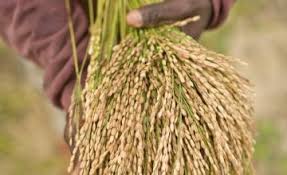
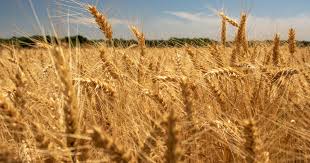
Grains like wheat, corn, and rice are stored in large quantities. Silos and grain bins are common for this. These structures are designed to protect grain from weather, pests, and moisture.
They often have features for aeration, which is blowing air through the grain to keep it cool and dry. Proper aeration can stop mold and insect growth.
Grain storage is a huge part of agriculture. Billions of tons of grain are stored each year. The ability to store grain safely ensures food security and stable prices.
For instance, a report by the Food and Agriculture Organization of the United Nations (FAO) highlighted that post-harvest losses, largely due to poor storage, can be as high as 30% in some regions, impacting food availability significantly.
Fruit and Vegetable Storage
Fruits and vegetables are often more sensitive than grains. Many need to be kept cool and at a certain humidity level. Refrigerated warehouses are common for commercial storage.
Some produce, like potatoes and onions, can be stored in cool, dark, well-ventilated areas. Others, like berries, have a much shorter storage life and need very careful handling.
For example, apples can be stored for months in controlled-atmosphere storage. This involves reducing the oxygen level and increasing carbon dioxide. This slows down the fruit’s ripening process.
This technology is why we can enjoy apples year-round, even when they are not in season.
Root Crop Storage
Root crops such as potatoes, carrots, and beets need specific conditions. They generally prefer cool, dark, and humid environments. They should not be stored with fruits that produce ethylene gas, as this can cause them to sprout or spoil faster.
Good ventilation is key to prevent them from rotting.
A common method for root crops is to store them in root cellars. These are underground or partially underground structures that naturally maintain a cool and humid environment. They offer a stable temperature, protecting the crops from freezing in winter and overheating in summer.
Seed Storage
Storing seeds properly is vital for future planting. Seeds need to be kept dry and cool to maintain their viability. High moisture and temperature can damage the seed embryo, making them unable to sprout.
Many seeds can be stored for years if kept in ideal conditions. Airtight containers are often used to prevent moisture absorption.
A good example is how seed banks, like the Svalbard Global Seed Vault, store seeds for long periods. They maintain extremely low temperatures and humidity to preserve the genetic diversity of plants for generations to come.
Dealing with Crop Storage Challenges
Even with the best intentions, crop storage can present challenges. Pests are persistent, and controlling moisture can be difficult, especially in humid climates. The initial cost of setting up good storage facilities can also be a barrier for some.
However, these challenges can be overcome with knowledge and the right tools. Staying informed about the latest advancements in crop storage news helps.
We will look at how to tackle these issues head-on. Knowing what to look out for and how to fix it is half the battle. It’s about being prepared and having a plan.
Identifying and Managing Pests
Regularly inspecting your stored crops for signs of pests is the first step. Look for droppings, damaged grains, or live insects. Using pheromone traps can help monitor insect populations.
If an infestation is found, you may need to remove the affected crops and clean the storage area thoroughly. Natural pest control methods, like introducing beneficial insects, can also be an option.
For instance, studies have shown that using diatomaceous earth, a natural powder, can effectively kill insects by damaging their outer shells, leading to dehydration. This is a safer alternative to chemical pesticides in many cases. Data from agricultural extension services often report successful pest reduction with integrated pest management strategies, which combine multiple control methods.
Controlling Moisture and Humidity
Moisture control is crucial. Ensure your storage facility is well-sealed against rain and ground moisture. Good ventilation is your best friend.
Fans and vents can help circulate air and remove humid air. Dehumidifiers can also be used in some situations, especially for high-value crops or in very humid regions. Monitoring humidity levels with a hygrometer is a smart practice.
A common scenario: a farmer stores grain in a metal bin. Without proper aeration, the temperature inside can rise, especially on sunny days. This warm air then condenses on the cooler grain surfaces, creating pockets of moisture.
This moisture then allows mold and insects to thrive. Using an aeration system that blows cool air through the grain prevents this buildup of heat and moisture, keeping the grain safe.
Temperature Fluctuations
Stable temperatures are key. For some crops, like potatoes, storing them in a place that freezes is disastrous. For others, like some fruits, storage above a certain temperature speeds up spoilage.
Insulation in your storage building helps maintain a steady temperature. Monitoring the temperature regularly with thermometers is essential. If temperatures rise too high, you may need to implement cooling measures.
For example, a study on tomato storage found that tomatoes stored at optimal temperatures (around 10-12°C) retained their firmness and flavor significantly longer than those stored at room temperature (20-25°C). This shows how critical temperature management is for quality preservation.
Economic Considerations
Investing in good storage can be expensive. However, the cost of spoilage can be much higher. When planning your storage, consider the long-term benefits.
Government grants or loans might be available to help with the initial investment in better storage facilities. Looking at the potential loss from poor storage versus the cost of good storage often shows that investing in quality pays off.
A small farm might face a tough decision. Should they invest in a new, insulated storage shed for their root vegetables or continue using an old, drafty barn? If spoilage rates in the old barn are around 20% each year, costing them $5,000 in lost product, an investment of $10,000 in a new shed that reduces spoilage to 5% would pay for itself in just a few years, while also improving product quality.
The Latest in Crop Storage Technology
The field of crop storage is always advancing. New technologies are making it easier to protect harvests and reduce losses. These innovations range from smart sensors that monitor conditions in real-time to advanced packaging that extends shelf life.
Staying updated with crop storage news means you can take advantage of these improvements.
These advancements are not just for large commercial farms. Many new technologies are becoming more accessible, even for smaller growers. They help ensure that more of the food we grow makes it to our plates.
Smart Sensors and Monitoring
Modern storage facilities use smart sensors to track temperature, humidity, and even gas levels. These sensors can send alerts to your phone or computer if conditions go outside the ideal range. This allows for quick action to prevent spoilage.
Some systems can even predict potential problems before they happen, based on data trends. This proactive approach is a big step forward.
For example, a grain bin equipped with temperature sensors at different levels can alert a farmer if a hot spot develops, indicating potential spoilage or insect activity. This allows the farmer to aerate that specific section of the bin, preventing a larger problem. This level of detail was not possible with older, manual monitoring methods.
Controlled Atmosphere Storage
Controlled atmosphere (CA) storage is a high-tech method used mainly for fruits like apples and pears. It involves carefully adjusting the levels of oxygen, carbon dioxide, and nitrogen within the storage room. This significantly slows down the respiration rate of the fruit, delaying ripening and extending its storage life by months.
Maintaining these precise conditions requires specialized equipment and monitoring.
A case study on apple storage in Washington State found that CA storage can extend the marketable life of certain apple varieties by up to 10 months compared to regular cold storage. This allows producers to supply consumers with fresh apples for a much longer period, smoothing out market supply and potentially increasing profitability.
Advanced Packaging Materials
New packaging materials are also playing a role. Some materials can actively manage the atmosphere inside the package, like reducing ethylene gas that causes ripening. Others can provide better protection against moisture and oxygen.
Modified atmosphere packaging (MAP) and active packaging are examples of these innovations. They help maintain the quality and freshness of produce from the farm to the consumer.
Imagine a bag of salad greens. With advanced packaging, the air inside can be changed to have less oxygen and more carbon dioxide. This slows down the wilting and browning of the leaves.
This means the salad stays fresh and crisp for much longer on the grocery store shelf, reducing waste.
Biotechnology and Treatments
Research is ongoing into natural treatments and biotechnological approaches to improve crop storage. This includes using edible coatings made from plant extracts that can protect produce from decay. Some treatments can even help crops recover from minor damage.
These methods aim to be more sustainable and reduce reliance on traditional chemical preservatives.
For instance, scientists are exploring the use of chitosan, a substance derived from crustacean shells, as a natural edible coating for fruits. This coating can act as a barrier, reducing moisture loss and inhibiting the growth of certain spoilage microbes, thereby extending shelf life without synthetic chemicals.
Crop Storage News Updates
Staying current with crop storage news is essential for anyone involved in agriculture. This includes farmers, distributors, and even home gardeners. Information on new storage techniques, pest management strategies, and market trends can make a big difference in success.
It helps in making informed decisions about how to store your crops for the best results.
We will explore how you can keep up with these developments. It’s about being smart with your harvest.
Importance of Staying Informed
The agricultural landscape is always changing. New pests emerge, weather patterns shift, and new technologies become available. Keeping up with the latest crop storage news allows you to adapt your methods and protect your harvest more effectively.
It can help you avoid common mistakes and implement best practices.
For example, a farmer who learns about a new, more effective method for controlling a specific grain weevil can implement it before the pest becomes a widespread problem in their area, saving their stored grain.
Sources for Crop Storage News
There are many reliable sources for crop storage news. Agricultural extension offices, university research departments, farming publications, and reputable online agricultural news sites are great places to start. Attending agricultural conferences and workshops can also provide valuable insights and networking opportunities.
Local farming cooperatives often share relevant updates with their members.
A farmer might subscribe to a monthly magazine focused on crop production and storage. This magazine could feature articles on new storage bin designs, updates on regulations for pesticide use in storage, and success stories from other farmers using innovative storage techniques. This regular stream of information keeps them ahead of the curve.
Impact of Climate Change on Storage
Climate change is creating new challenges for crop storage. Warmer temperatures can accelerate spoilage and create favorable conditions for pests and diseases that were previously less common. Increased extreme weather events, like heavy rainfall or droughts, can also impact harvesting conditions and the moisture content of crops.
This means storage methods may need to be adapted to these new environmental pressures.
For instance, regions that historically had cool, dry winters may now experience warmer, more humid conditions. This would require farmers in those areas to invest in better ventilation and moisture control systems for their stored crops, which might not have been as critical in the past.
Regulations and Compliance
There are often regulations related to food storage, especially for commercial operations. These can involve standards for hygiene, pest control, and the use of any treatments applied to crops. Staying informed about these regulations is crucial to ensure your storage practices are compliant and your products are safe for consumers.
Non-compliance can lead to fines or product recalls.
A commercial grain elevator, for example, must adhere to strict government guidelines on the maximum allowable levels of mycotoxins (toxic compounds produced by molds) in stored grain. This requires regular testing and proper storage conditions to keep these levels within legal limits.
Common Myths Debunked
Myth 1: All crops can be stored the same way.
This is not true. Different crops have very different needs. Grains, fruits, vegetables, and seeds all require specific temperature, humidity, and airflow conditions to stay fresh.
Storing them all the same way would lead to significant spoilage.
Myth 2: You only need to worry about pests after harvest.
Pests can be a problem at all stages. They can infest fields, but they can also infest storage areas before new crops are even brought in. Cleaning and inspecting storage facilities regularly is crucial to prevent them from taking hold.
Myth 3: Storing crops in any old shed is fine if it’s dry.
While dryness is important, it’s not the only factor. Temperature stability, protection from external pests, and proper ventilation are also critical. An old, uninsulated shed might get too hot in summer and too cold in winter, damaging the crops.
Myth 4: Once a crop is spoiled, it’s completely useless.
In some cases, lightly spoiled crops might be salvageable for animal feed or compost, depending on the type of spoilage and local regulations. However, for human consumption, spoiled crops are generally unsafe and should be discarded.
Frequently Asked Questions
Question: What is the most important factor in crop storage?
Answer: The most important factor is controlling the environment to prevent spoilage. This includes managing temperature, moisture, and pests to keep the crop in good condition.
Question: How can I tell if my stored crops are going bad?
Answer: Signs of spoilage include mold growth, off-putting smells, changes in texture (like mushiness or hardness), and visible signs of insect infestation.
Question: Do I need special equipment for storing a small amount of produce?
Answer: For small amounts, you might not need special equipment. A cool, dry, dark place like a basement or a well-ventilated pantry can work. Airtight containers can help protect from pests and moisture.
Question: How often should I check my stored crops?
Answer: It’s a good idea to check stored crops regularly, perhaps weekly or bi-weekly, depending on the type of crop and the length of storage. This allows you to catch problems early.
Question: Can I store different types of crops together?
Answer: Generally, it’s best not to. Some fruits release ethylene gas, which can speed up the ripening and spoilage of other produce like vegetables and root crops. Storing similar types of crops together is usually the safest bet.
Wrap Up
Keeping your harvest in top shape with good crop storage is achievable. Focus on controlling temperature and moisture, and be vigilant about pests. Staying informed about the latest news and techniques helps you make smart choices.
With the right approach, your stored crops will be safe and valuable.