Getting new farm equipment can feel tricky, especially when you’re starting out. You see all the different machines and wonder about the costs. It’s easy to feel a bit lost with all the numbers.
But don’t worry, figuring out New farm machinery prices doesn’t have to be hard. We’ll walk through it step by step, making it simple to grasp. Let’s look at what affects these prices and how you can find the best value for your farm.
Key Takeaways
- You will learn what factors influence the cost of new farm equipment.
- Discover how different types of machinery vary in price.
- Understand the impact of technology and features on machinery costs.
- Learn about strategies to manage and reduce the expense of new equipment.
- Gain insight into financing and payment options for farm machinery.
- Be better prepared to make informed purchasing decisions for your farm.
Factors Affecting New Farm Machinery Prices
The price tag on a new piece of farm equipment is shaped by many things. It’s not just one number. Think about the brand name itself.
Some brands are known for being more premium, often meaning higher prices. Then there’s the size and power of the machine. A giant tractor will cost a lot more than a smaller one.
The materials used to build the machine also play a big part. Stronger, better materials mean the machine lasts longer but costs more upfront.
Brand Reputation and Quality
When you look at New farm machinery prices, you’ll notice that established brands often command higher prices. Companies that have been making tractors and combines for decades have built a reputation for reliability and performance. This means farmers trust them to work well season after season.
They invest a lot in research and development to make their machines better. This innovation, like new engine technologies or advanced control systems, adds to the cost.
For example, a tractor from a brand known for its durability might cost 10-15% more than a similar-sized tractor from a lesser-known manufacturer. Farmers are willing to pay this premium for the peace of mind that comes with a proven track record. They know they are less likely to face costly breakdowns during critical planting or harvesting times.
This long-term view often makes the initial higher price a sound investment.
Machine Size and Power
The sheer size and engine power of farm machinery are direct drivers of cost. A large combine harvester designed to cover hundreds of acres a day is a complex piece of engineering. It needs a powerful engine, a massive grain tank, and sophisticated harvesting headers.
All these components add up to a significant manufacturing cost.
Compare this to a smaller utility tractor. It has a less powerful engine, a smaller frame, and simpler attachments. While still a substantial investment, its price will naturally be much lower.
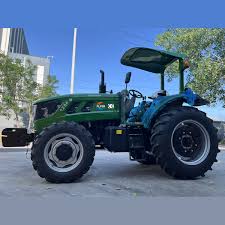
Farmers need to match the size and power of their equipment to the size of their operation to avoid overspending or having underpowered machines. A small farm might only need a 50-horsepower tractor, while a large commercial operation might require a 200-horsepower model or even more.
Here’s a simple look at how size can impact cost:
| Machine Type | Typical Horsepower Range | Estimated Price Range (USD) |
|---|---|---|
| Compact Tractor | 20-50 HP | $15,000 – $35,000 |
| Utility Tractor | 50-100 HP | $35,000 – $80,000 |
| Row Crop Tractor | 100-250 HP | $80,000 – $250,000+ |
| Large Combine Harvester | N/A (complex system) | $300,000 – $700,000+ |
Materials and Build Quality
The quality of materials used in farm machinery is critical for its longevity and ability to withstand tough conditions. High-strength steel, durable plastics, and robust hydraulic systems are not cheap. Manufacturers choose these materials because farm equipment faces extreme stress from varied terrain, heavy loads, and constant operation.
A machine built with cheaper, less durable materials might have a lower upfront cost. However, it’s likely to break down more often and require more frequent repairs. This leads to higher costs over time and potential losses due to downtime.
Farmers often look for machines with a reputation for solid construction, understanding that better build quality translates to fewer problems and a longer service life, justifying the higher initial price of New farm machinery prices.
Technology and Features Driving Up Costs
Modern farm machinery is packed with technology. This includes GPS guidance, automated steering, sensors for crop health, and advanced data management systems. These features aim to make farming more precise, efficient, and productive.
However, they also significantly increase the price of the equipment.
Precision Agriculture Technologies
Precision agriculture is a major factor in the rising cost of new farm machinery. Technologies like GPS auto-steer systems allow tractors to drive with centimeter accuracy. This reduces overlaps and skips during planting and spraying, saving on seeds, fertilizer, and pesticides.
Variable rate technology (VRT) adjusts the application of inputs based on real-time data about soil conditions and crop needs.
These systems involve complex electronics, sensors, and software. A combine equipped with yield monitoring and mapping technology can tell you exactly how much grain was produced in every square foot of a field. This data is invaluable for making better decisions next season.
However, the integration of such advanced systems adds tens of thousands of dollars to the price of a machine.
Consider a planter. A basic model might cost $50,000. Adding GPS guidance, individual row shut-offs, and seed population control can easily push that price to $100,000 or more.
Automated Steering and Guidance Systems
Automated steering, often powered by GPS, is one of the most common high-tech features on new tractors. It allows the operator to set a path, and the tractor follows it precisely. This is incredibly useful for long rows and ensures consistent coverage during tasks like plowing, planting, and spraying.
The technology involves receivers that track satellite signals, a control module, and actuators that turn the steering wheel. The accuracy depends on the type of GPS signal used. For instance, standard GPS might be accurate to within a meter, while RTK (Real-Time Kinematic) systems, which use a base station for correction, can achieve centimeter-level accuracy.
This higher accuracy comes with a higher price tag for the equipment and potentially a subscription fee for the correction signal.
One farmer shared that before investing in auto-steer, he used to spend extra on seeds and fertilizer due to slight overlaps. After installing the system on his planter and sprayer, he estimates saving about 3% on inputs annually, which paid for the system in about three years.
Data Management and Connectivity
Modern farm machinery collects vast amounts of data. This includes information on fuel consumption, machine performance, yield data, soil conditions, and more. The ability to collect, store, and analyze this data helps farmers make smarter decisions.
Machines now come with integrated telematics systems that can send this data wirelessly to farm management software or the cloud.
This connectivity allows for remote monitoring, predictive maintenance, and easier record-keeping. However, the sensors, processors, and communication modules needed for this level of data integration add to the overall cost. For some farmers, the ability to access this information is a critical part of their operation, making the higher New farm machinery prices a worthwhile investment for improved efficiency and profitability.
Navigating New Farm Machinery Prices
Understanding the numbers is the first step. But knowing how to get the best deal is just as important. This involves careful planning, exploring different options, and negotiating effectively.
It’s about getting the most value for your money.
Timing Your Purchase
The best time to buy farm machinery can significantly impact prices. Often, manufacturers offer incentives and discounts at certain times of the year. For example, dealerships might want to clear out older inventory before new models arrive.
This can be a great opportunity to get a good deal.
Purchasing equipment at the end of a selling season, like buying a combine after harvest is over, can sometimes lead to lower prices. Dealers may be more willing to negotiate to meet sales targets before the off-season. Conversely, buying right before a busy season like planting or harvesting might mean less room for negotiation.
Planning ahead and watching for promotional periods can lead to substantial savings on New farm machinery prices.
Here are some common buying periods and their potential benefits:
- End of Year/Model Year: Dealers often offer discounts to clear out inventory of the current model year before new models are released.
- Off-Season: Buying equipment when it’s not in high demand (e.g., buying a planter in the fall) can sometimes result in better pricing.
- Manufacturer Promotions: Keep an eye out for special financing offers, rebates, or discount programs announced by manufacturers.
Considering Used vs. New Options
While this post focuses on new machinery, it’s worth noting the alternative. Used farm equipment can offer significant cost savings. However, buying used comes with its own risks, such as potential hidden mechanical issues and shorter warranties.
New machinery offers the latest technology, full warranties, and the assurance of no prior wear and tear. The higher upfront cost is often justified by this peace of mind and access to advanced features. For some, the investment in new equipment is essential for competitive farming.
For others, carefully selected used machinery can be a more budget-friendly choice. The decision depends on the farm’s financial situation, needs, and risk tolerance.
The Value of a Full Warranty
One of the biggest advantages of buying new farm machinery is the comprehensive warranty. This warranty protects you from unexpected repair costs for a specified period or number of operating hours. It covers defects in materials and workmanship.
For example, a new tractor might come with a 2-year or 2000-hour warranty, whichever comes first. This means if a major component like the engine or transmission fails within that time, the manufacturer will cover the repair costs. This warranty provides significant financial security, especially given the high cost of major repairs on complex machinery.
It’s a key factor that contributes to the higher New farm machinery prices compared to used equipment.
Negotiating and Exploring Discounts
Negotiating is a standard part of purchasing expensive equipment. Don’t be afraid to discuss pricing with the dealer. Research the market value of the machine you are interested in beforehand.
Understand the invoice price if possible.
Dealers may be willing to offer discounts, especially if you are buying multiple pieces of equipment or if they are motivated to meet sales quotas. Also, inquire about any available rebates or incentives from the manufacturer. Sometimes, bundling equipment or trading in old machinery can also lead to better overall pricing.
Always get quotes from multiple dealerships if possible to compare offers.
Financing and Ownership Costs
Buying farm machinery is a major financial undertaking. Understanding how to finance your purchase and what ongoing costs to expect is crucial for long-term financial health.
Financing Options Available
Most farmers don’t pay for expensive machinery outright. Financing is common, with various options available. These include traditional bank loans, manufacturer financing programs, and lease agreements.
Manufacturer financing often comes with special interest rates or promotional periods, which can make new machinery more accessible.
Leasing is another option that allows farmers to use new equipment for a set period without owning it. This can be beneficial for those who want to upgrade to newer technology regularly or for whom ownership costs are prohibitive. When comparing financing options, look at the total cost over the life of the loan or lease, including interest rates, fees, and any residual value.
Carefully reviewing these terms is vital when considering New farm machinery prices.
Understanding Interest Rates and Loan Terms
Interest rates can significantly impact the total cost of owning machinery. A seemingly small difference in interest rate can add up to thousands of dollars over a multi-year loan. It’s important to shop around for the best loan terms.
Loan terms typically specify the interest rate (fixed or variable), the repayment period, and any required down payment. For example, a loan with a 5% interest rate over 7 years will result in a different total repayment amount than a loan with a 7% interest rate over 5 years, even if the principal amount is the same. Understanding these terms helps farmers budget effectively and make informed financial decisions.
Ongoing Costs of Ownership
Beyond the purchase price, owning farm machinery involves ongoing costs. These include fuel, maintenance, repairs, insurance, and storage. New machinery typically requires less in immediate repairs but still needs regular servicing to maintain its condition and warranty.
Fuel costs depend heavily on the machine’s efficiency and the hours it is operated. Maintenance involves oil changes, filter
Common Myths Debunked
Myth 1: New machinery is always the best investment.
While new machinery offers the latest features and warranties, it’s not always the best financial choice for every farm. Used machinery, when carefully inspected and maintained, can provide excellent value and save considerable upfront costs. The “best” investment depends on the farm’s specific needs, budget, and tolerance for risk.
For some, a well-maintained used tractor can perform tasks just as effectively as a new one at a fraction of the price.
Myth 2: All technology features increase productivity.
Not all advanced technology directly translates to increased productivity or profitability for every operation. Complex precision farming systems, while powerful, require skilled operators and proper data management to yield their full benefits. If a farmer doesn’t have the expertise or the need for highly specific data analysis, investing in the most advanced systems might be unnecessary and simply drive up New farm machinery prices without proportional returns.
Simpler, proven technologies often suffice for many farming operations.
Myth 3: You can’t negotiate prices on new equipment.
This is far from true. Dealerships often have room for negotiation on new farm machinery. Factors like end-of-year sales, manufacturer incentives, or the dealer’s sales targets can all provide opportunities for a better price.
It’s always advisable to research comparable prices, compare offers from multiple dealers, and engage in polite but firm negotiation. The sticker price is rarely the final price.
Frequently Asked Questions
Question: What is the biggest factor that drives up the cost of new tractors?
Answer: Engine size and horsepower, along with advanced technology like GPS guidance and automated steering, are typically the biggest cost drivers for new tractors.
Question: How much should I budget for maintenance on new farm machinery?
Answer: While new machines require less immediate repair, budget for regular servicing, oil changes, and filters. Roughly 1-3% of the machine’s value per year is a common estimate for routine maintenance.
Question: Are there government programs that help with buying new farm equipment?
Answer: Yes, depending on your region and specific circumstances, there may be government grants, low-interest loans, or tax incentives available to help farmers purchase new machinery.
Question: How often do I need to replace parts on new farm equipment?
Answer: This depends heavily on usage and the specific part. Wearable items like tires, filters, and blades will need replacement based on hours of operation, while major components are usually covered by warranty for the first few years.
Question: Is it better to buy machinery from a large dealership or a smaller local one?
Answer: Both have pros and cons. Large dealerships might have more inventory and competitive pricing due to volume. Smaller local dealers often provide more personalized service and support, which can be invaluable.
Summary
Understanding New farm machinery prices involves looking at many details. Brand, size, technology, and build quality all play a role. By timing your purchase wisely, exploring financing, and negotiating smartly, you can find the right equipment for your farm at a fair price.
Making informed choices about machinery helps your farm run efficiently and stay profitable for years to come.