Getting started with planting paddy rice in Bangladesh can feel a bit overwhelming at first. Many new farmers wonder where to begin. It is a crucial time of year that affects many lives.
But do not worry, this guide will make the Paddy planting season Bangladesh simple. We will walk through each step with you. Get ready to learn all you need to know to plant your fields successfully.
Let’s explore how to get your crops growing.
Key Takeaways
- You will learn the best times to start planting paddy rice in Bangladesh.
- Understand the different types of rice seeds and how to choose them.
- Discover the essential soil preparation steps for healthy crops.
- Learn the correct techniques for transplanting seedlings.
- Find out about watering and nutrient needs during the planting phase.
- Know common challenges and how to overcome them during planting.
Understanding the Paddy Planting Season In Bangladesh
The timing of the paddy planting season in Bangladesh is deeply connected to the country’s weather patterns, especially the monsoon rains. These rains are vital for irrigating the vast rice fields. Farmers carefully watch the skies and the calendar to know when to begin.
This period is the heart of rice cultivation, laying the groundwork for the entire harvest. Knowing the right moment to sow seeds or transplant seedlings is key to a good yield. It influences how well the plants grow and how much rice you can eventually gather.
Bangladesh is a major rice-producing nation, and rice is a staple food for its people. The success of the Paddy planting season Bangladesh directly impacts food security and the economy. Therefore, farmers pay close attention to traditional knowledge and modern weather forecasts.
This ensures they make the most of the available resources and conditions.
Best Times for Planting
The planting season in Bangladesh is typically divided into two main periods, based on the monsoon cycle. These are known as the ‘Aus’ and ‘Aman’ seasons.
- The Aus season usually runs from March to May. This is when farmers prepare the land and sow seeds before the heavy monsoon rains begin. This planting is often rain-fed.
- The Aman season is the main planting period and happens from July to October. This is when the monsoon rains are at their peak, providing abundant water for the rice fields. The Aman rice is known for its high yield and quality.
Each season has its own advantages and challenges. The Aus crop helps to ensure a steady supply of rice throughout the year, while the Aman crop is the primary harvest. Farmers choose which season or both to plant based on their land, water availability, and local conditions.
Factors Influencing Planting Decisions
Several factors influence when farmers decide to start planting. These include:
- Rainfall patterns: Consistent and adequate rainfall is essential for paddy cultivation. Farmers monitor weather forecasts closely.
- Water availability: Even with monsoons, water management is key. Irrigation systems or natural water sources must be reliable.
- Soil condition: The soil needs to be properly prepared. This involves plowing, leveling, and enriching the land.
- Seed type: Different rice varieties have different growth cycles and water needs. The chosen seed type dictates planting time.
- Labor availability: Planting is labor-intensive. Farmers need to ensure they have enough workers at the right time.
For beginners, understanding these influences helps demystify the timing. It shows that planting is not just a random act but a carefully planned operation.
Preparing the Land for Planting
Before any seeds can go into the ground, the land must be ready. This preparation is like getting a bed ready for sleep; it needs to be comfortable and suitable for growth. Good land preparation ensures that the young rice plants have the best chance to thrive.
It involves several important steps, from turning the soil to making it smooth and level. This process also helps get rid of weeds and pests that could harm the crop.
The goal is to create an ideal environment for the rice seedlings. This means having soil that is moist, fertile, and allows water to be held properly. A well-prepared field also makes the actual planting process much easier and more efficient for the farmers.
Plowing and Tilling
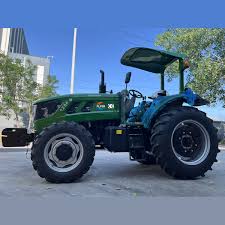
The first step is usually plowing. This breaks up the soil, making it loose and aerated. Traditionally, this was done with oxen and plows, but now many farmers use tractors.
Plowing helps to mix organic matter into the soil and bury weeds and crop residues from the previous season.
After plowing, the soil is tilled. Tilling further breaks down large clods of soil into smaller particles. This creates a finer texture that is better for root development.
It also helps to level the field, which is important for even water distribution.
Types of Plowing and Tilling Tools
- Traditional Plows: These are animal-drawn implements, often made of wood and iron. They are effective but slower.
- Tractors with Cultivators: Modern tractors equipped with tillers or cultivators can cover large areas quickly and efficiently. They offer adjustable settings for different soil types.
- Power Tillers: These are smaller, more maneuverable machines suitable for smaller fields or terraced areas.
The choice of tool depends on the size of the farm, budget, and availability of machinery. Whatever tool is used, the aim is to achieve a well-pulverized seedbed.
Leveling the Field
Once the soil is tilled, the field needs to be leveled. This is a crucial step for paddy cultivation. Leveling ensures that water is distributed evenly across the field.
Without proper leveling, some parts of the field might get too much water, leading to drowning of seedlings, while other parts might remain too dry.
This process, often called ‘laddering’ when done with a specific tool after plowing, smoothes out the soil surface. It creates shallow basins that can hold water. Even water distribution is important for uniform seedling growth and nutrient uptake.
Importance of Leveling
- Uniform water distribution: Ensures all plants receive adequate moisture.
- Weed control: Shallow water can suppress weed growth.
- Efficient fertilizer use: Fertilizers spread evenly and are absorbed better.
- Reduced seedling loss: Prevents drowning or drying out of young plants.
A farmer might spend considerable time ensuring the field is perfectly flat. This attention to detail in leveling pays off significantly during the growing season.
Soil Enrichment
Healthy soil is the foundation of a good harvest. After plowing and leveling, farmers often add organic matter or fertilizers to enrich the soil. This provides the essential nutrients that the rice plants need to grow strong and produce a good yield.
Organic matter, like compost or decomposed plant material, improves soil structure, water retention, and aeration. Chemical fertilizers provide specific nutrients like nitrogen, phosphorus, and potassium. The exact type and amount of fertilizer depend on the soil’s current condition and the specific needs of the rice variety being planted.
Soil testing can help determine what nutrients are lacking.
Methods of Soil Enrichment
- Composting: Adding well-rotted organic materials to the soil.
- Green Manuring: Planting specific crops that are then plowed back into the soil to add nutrients.
- Chemical Fertilizers: Applying balanced NPK (Nitrogen, Phosphorus, Potassium) fertilizers based on soil tests and recommendations.
- Farm Yard Manure (FYM): Using aged animal dung, a rich source of nutrients and organic matter.
Farmers often use a combination of these methods to ensure their soil is fertile and productive for the Paddy planting season Bangladesh.
Choosing and Planting Rice Seeds
Selecting the right rice seeds is one of the most critical decisions a farmer makes. The seed is where the whole plant begins, and its quality directly influences the final harvest. In Bangladesh, there are many types of rice, each suited to different conditions and tastes.
Beginners might find the variety overwhelming, but understanding a few key aspects can simplify the choice. The goal is to pick seeds that will grow well in the local climate and soil, and also meet market demands.
Once the seeds are chosen, the next step is planting them. This can be done in two main ways: direct seeding or transplanting. Both methods have their pros and cons, and farmers choose based on what works best for them and their land.
Types of Rice Seeds
Rice varieties in Bangladesh can be broadly categorized. These categories help farmers choose based on their needs.
- Aus Rice: These are typically planted during the pre-monsoon season. They are often short-duration varieties.
- Aman Rice: This is the most important crop, planted during the monsoon. Aman varieties include both ‘T. Aman’ (rain-fed) and ‘B. Aman’ (irrigated).
- Boro Rice: This is planted during the dry season (winter) and requires significant irrigation. It is known for high yields.
Within these categories, there are many specific rice varieties, including traditional local ones and modern high-yielding varieties (HYVs). HYVs are developed to produce more grain per acre but often require more care, including fertilizers and pest control.
Modern High-Yielding Varieties (HYVs)
HYVs are bred for increased productivity. They are resistant to common diseases and pests and mature faster. This allows farmers to grow more crops in a year.
However, HYVs often need good soil fertility and adequate water management. They also generally require more inputs like fertilizers and pesticides compared to traditional varieties.
Examples of HYVs include BRRI dhan series (developed by Bangladesh Rice Research Institute). These varieties are popular for their yield potential.
Methods of Planting
There are two primary methods for planting rice: direct seeding and transplanting. Each has its advantages and disadvantages.
Direct Seeding
In direct seeding, rice seeds are sown directly into the prepared field. This can be done by broadcasting seeds by hand or using seed drills.
- Broadcast Seeding: Seeds are scattered by hand over the entire field. This is quick but can lead to uneven spacing and plant density.
- Drilled Seeding: Seeds are placed in rows using a mechanical seeder. This results in more uniform spacing and plant stands.
Direct seeding saves labor compared to transplanting. It also requires less water in the early stages. However, it can make weed control more challenging.
Transplanting Seedlings
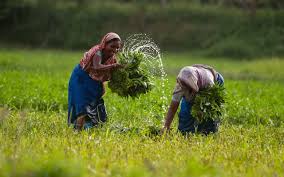
Transplanting is the most common method for Aman and Boro rice. It involves growing rice seedlings in a nursery bed first, and then carefully moving them to the main field.
First, seeds are sown in a separate nursery. After about 20-30 days, when the seedlings are healthy and have a few leaves, they are pulled out and transplanted into the main field. This method allows for better control over plant spacing and density.
It also gives farmers a chance to select the strongest seedlings. Transplanting is more labor-intensive.
Comparison of Planting Methods
| Feature | Direct Seeding | Transplanting |
|---|---|---|
| Labor Requirement | Lower | Higher |
| Weed Control | More challenging | Easier, especially early on |
| Seedling Survival | Can be lower if conditions are poor | Higher with good seedlings |
| Initial Water Needs | Can start with less water | Requires moist soil for transplanting |
| Cost | Potentially lower | Potentially higher due to labor |
For the Paddy planting season Bangladesh, many farmers prefer transplanting for the Aman crop because it offers better control over the growth process, leading to higher yields.
Water Management and Care
Water is life for rice. During the paddy planting season, managing water correctly is just as important as preparing the soil or choosing the seeds. Rice plants need a consistent supply of water, but not too much or too little.
This delicate balance is key to healthy growth and a bountiful harvest. Farmers must be attentive to the water levels in their fields throughout the planting and early growth stages.
Beyond water, the young plants need nourishment and protection. This involves providing the right nutrients and keeping an eye out for pests and diseases that can attack vulnerable seedlings. Proper care ensures that the initial investment in planting pays off with strong, healthy rice plants.
Irrigation Techniques
Irrigation is the process of supplying water to fields where rainfall is insufficient. In Bangladesh, especially for Boro rice and during dry spells for other seasons, irrigation is crucial.
- Surface Irrigation: This is the most common method. Water is channeled to the field through canals or ditches. The field is usually flooded to a certain depth.
- Sprinkler Irrigation: Less common for paddy rice due to the high water volume needed, but can be used in specific cases. Water is sprayed over the field through sprinkler heads.
- Drip Irrigation: Not typically used for paddy rice, which requires flooded conditions. Drip irrigation delivers water directly to the plant roots.
For paddy rice, maintaining a shallow layer of standing water in the field is a common practice. This helps in controlling weeds, moderating soil temperature, and providing consistent moisture to the plant roots. The depth of water is usually maintained at around 2-5 cm.
Water Requirements by Growth Stage
The water needs of a rice plant change as it grows.
- Seedling Stage: Requires moist soil, but not deep flooding. This helps seedlings establish.
- Vegetative Stage: This is a critical period. The plant needs a continuous supply of water. A shallow flood layer (2-5 cm) is maintained to suppress weeds and provide moisture.
- Reproductive Stage (Flowering and Grain Filling): Water management is crucial. The field should remain flooded, and water levels should be maintained carefully to ensure proper pollination and grain development.
- Maturity Stage: As the crop ripens, the water is gradually drained from the field to allow the grains to dry.
Effective water management often involves a combination of relying on rainfall and using irrigation systems when needed. This ensures that the plants never go thirsty or get waterlogged unnecessarily.
Nutrient Management
Rice plants are heavy feeders. They require a good supply of nutrients to grow vigorously and produce a high yield. While good soil preparation adds initial nutrients, more may be needed during the growth cycle.
Nitrogen is particularly important for leaf and stem growth, which is essential for photosynthesis. Phosphorus is vital for root development and flowering. Potassium helps in overall plant health, disease resistance, and grain filling.
Fertilizer Application
Fertilizers can be applied at different stages.
- Basal Application: This is done at the time of planting or transplanting. It provides essential nutrients that the plant needs from the start.
- Top Dressing: This involves applying fertilizers during the active growth stages of the plant, usually at tillering (when new shoots grow from the base) and panicle initiation (when the flower head starts to form).
The amount and type of fertilizer should be based on soil test results and recommendations for the specific rice variety. Over-fertilization can be harmful, leading to weak stems that lodge (fall over) and increased susceptibility to pests and diseases.
Pest and Disease Control
Young rice plants are vulnerable to various pests and diseases. Early detection and control are vital to prevent significant crop loss. Common pests include insects like stem borers, leafhoppers, and planthoppers.
Diseases can include blast, sheath blight, and bacterial leaf blight.
Integrated Pest Management (IPM) is a sustainable approach. It combines biological, cultural, physical, and chemical methods. This means using natural predators, rotating crops, using resistant varieties, and only resorting to chemical pesticides when absolutely necessary and in a targeted manner.
Common Pests and Diseases
- Stem Borers: Larvae bore into the rice stem, damaging the plant and reducing yield.
- Brown Planthopper (BPH): These insects suck sap from the plant, causing yellowing and wilting. They can also transmit viruses.
- Rice Blast: A fungal disease that can affect leaves, stems, and grain.
- Sheath Blight: Another fungal disease that affects the leaf sheath, leading to reduced photosynthesis and yield.
Farmers often monitor their fields regularly for any signs of pests or diseases. Early intervention is the most effective way to manage these threats during the Paddy planting season Bangladesh.
Common Myths Debunked
Myth 1: All rice fields need to be constantly flooded.
Reality: While paddy rice generally thrives in moist conditions and often requires standing water, the water level needs careful management. Constant, deep flooding is not always necessary or beneficial. Different growth stages have different water requirements.
For instance, seedlings need moist soil, not deep water, to establish strong roots. Excessive flooding can sometimes harm plants by reducing oxygen availability to the roots or promoting certain diseases.
Myth 2: Any type of soil is good enough for planting paddy.
Reality: While rice can grow in a variety of soils, it performs best in loamy or clayey soils that can retain water well. Sandy soils drain too quickly, and very heavy clay soils can become waterlogged and difficult to work. Proper soil preparation, including adding organic matter, can improve the suitability of many soil types for paddy cultivation.
Soil testing is recommended to understand its specific needs.
Myth 3: You only need to plant once a year for rice.
Reality: In Bangladesh, farmers can often plant rice up to three times a year, depending on the region, water availability, and the chosen rice varieties. The main planting seasons are Aus, Aman, and Boro. This allows for continuous rice production and contributes to food security.
The ability to plant multiple crops is a significant advantage for farmers.
Myth 4: Chemical fertilizers are always better than organic methods.
Reality: Chemical fertilizers provide quick nutrient boosts, but organic methods like composting and using farm yard manure improve soil health in the long term. They enhance soil structure, water retention, and microbial activity. A balanced approach, combining both chemical and organic fertilizers where appropriate, often leads to the best results for soil fertility and crop yield, supporting a sustainable Paddy planting season Bangladesh.
Frequently Asked Questions
Question: What is the most important season for paddy planting in Bangladesh?
Answer: The Aman season, which occurs during the monsoon from July to October, is generally considered the most important planting season for paddy rice in Bangladesh due to its high yields and widespread cultivation.
Question: How much water does a rice plant need?
Answer: Rice plants need consistent moisture, often maintained by a shallow layer of standing water (2-5 cm) in the field, especially during the vegetative and reproductive stages. However, water requirements vary with the growth stage.
Question: Can beginners successfully plant paddy rice?
Answer: Yes, beginners can successfully plant paddy rice by following step-by-step guides, starting with smaller plots, and paying close attention to soil preparation, water management, and seedling care.
Question: What is the difference between Aus and Aman rice?
Answer: Aus rice is planted before the main monsoon (March-May) and matures quickly, often rain-fed. Aman rice is planted during the peak monsoon (July-October) and is the main crop, known for higher yields.
Question: How can I tell if my paddy seedlings are healthy?
Answer: Healthy paddy seedlings have a deep green color, are sturdy, and have well-developed root systems. They should be free from yellowing, wilting, or signs of pest or disease damage.
Wrap Up
Mastering the Paddy planting season Bangladesh involves understanding the right timing and preparation. We have covered land readiness, seed selection, and essential care like water and nutrients. You now know the steps to get your rice crops started right.
Focus on these key practices for a healthy start to your planting season.