Starting a farm can seem tough when you have a small budget. Many beginners worry about spending too much money right away. It feels like you need a lot of expensive equipment and supplies.
But it doesn’t have to be that way. We will show you simple, smart ways to farm without breaking the bank. Get ready to learn easy steps to make your farm work for less.
Key Takeaways
- You can start farming successfully with limited funds.
- Smart planning and resourcefulness are key to low-cost farming.
- Many affordable tools and techniques exist for efficient farming.
- Reducing waste and reusing materials saves money and helps the environment.
- Building community and sharing resources can lower your expenses.
- Focusing on soil health naturally reduces the need for costly inputs.
Smart Start Low-Cost Farming Tips
Starting a farm often feels like it requires a huge investment. People see big farms with lots of machinery and think they need that too. This can be a big hurdle for anyone just beginning.
It seems like you need a lot of money for land, equipment, seeds, and more. However, many successful farmers began with very little. The secret is to be smart and resourceful.
This section will explore ways to get your farm going without needing a lot of cash.
Smart Land Use And Acquisition
Finding land is often the first big cost in farming. For low-cost farming, you don’t always need to buy land outright. Consider leasing or renting instead.
This significantly lowers your upfront expenses. Look for land that might be underused or available for a shorter term. Sometimes, older farmers are willing to rent out small plots.
You might also find opportunities through community farming projects. Local governments or non-profits sometimes offer plots at reduced rates for new farmers.
If you have a small backyard or a bit of unused property, you might not need to find new land at all. Urban farming and backyard gardening are excellent ways to start small. Raised beds and container gardening can make even small spaces productive.
This approach avoids land purchase or high rental fees. It allows you to learn the basics of growing before committing to larger-scale operations.
Affordable Equipment And Tools
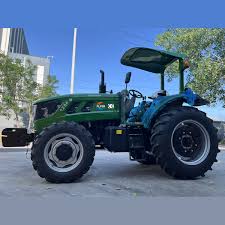
New farm equipment can be very expensive. For low-cost farming, look for used or hand-me-down tools. Many farmers upgrade their equipment and sell older, still functional items at lower prices.
Check local farm auctions, online marketplaces, and classified ads. You might be surprised at what you can find. A good quality used tiller can last many years.
Hand tools like shovels, hoes, and rakes are also often available cheaply.
Consider the tools you truly need. For a small farm, many tasks can be done by hand. This not only saves money but also keeps you physically connected to your work.
Think about multi-purpose tools. A sturdy spade can be used for digging, moving soil, and even creating furrows. Learning to maintain your tools is also important.
Sharpening blades and oiling parts will make them last longer, saving you replacement costs.
Here are some budget-friendly equipment ideas:
- Hand Trowels And Shovels These are essential for planting, weeding, and digging small holes. Look for durable stainless steel options. Used ones are plentiful and often just as good.
- Wheelbarrow Crucial for moving soil, compost, and harvests. A sturdy used wheelbarrow is a great investment.
- Watering Cans And Hoses Essential for irrigation. Look for sales or used garden hoses.
- Gardening Gloves Protect your hands. You can find inexpensive but durable options.
- Pruning Shears For trimming plants and harvesting. Good quality used shears are effective.
DIY And Upcycled Solutions
Many farm needs can be met with simple do-it-yourself projects. Instead of buying expensive trellises, use salvaged branches or bamboo poles. Old pallets can be transformed into compost bins or cold frames.
Plastic bottles can be cut and used as mini-greenhouses for seedlings. This not only saves money but also helps reduce waste.
Compost is gold for any farm, and making your own is very cheap. You can start a compost pile using kitchen scraps, yard waste, and shredded paper. This provides rich nutrients for your soil without buying fertilizer.
A simple bin can be made from wooden pallets or wire mesh. This is one of the most impactful low-cost farming tips.
Consider these DIY ideas:
- Seed Starting Trays Use old egg cartons, yogurt cups, or newspaper pots.
- Plant Markers Cut up old plastic containers or use stones.
- Bird Deterrents Old CDs hung from strings can scare birds away from crops.
- Tool Storage Repurpose old buckets or wooden crates.
Maximizing Yield With Low-Cost Inputs
Getting the most out of your crops is vital, especially when you are on a tight budget. The soil is the foundation of your farm. Investing time in soil health will save you money on fertilizers and pest control later.
Healthy soil grows strong plants that are more resistant to diseases and pests.
Building Healthy Soil Naturally
The best way to improve soil is through organic matter. Compost, as mentioned, is your best friend. Adding compost regularly feeds beneficial soil microbes.
It improves soil structure, helping with water retention and drainage. This means your plants need less watering and are less likely to suffer from drought or waterlogging.
Cover cropping is another incredibly effective low-cost farming tip. Planting cover crops like clover, vetch, or rye during off-seasons protects the soil from erosion. They also add nutrients to the soil when tilled in.
For example, legumes fix nitrogen from the air into the soil, acting as a natural fertilizer for your next crop. This reduces or eliminates the need for synthetic nitrogen fertilizers, which are costly.
Crop rotation is also a free and powerful technique. By rotating different types of crops in the same area each season, you can prevent soil depletion. It also helps break pest and disease cycles.
For instance, planting heavy feeders like tomatoes followed by nitrogen-fixing beans can balance nutrient use. This simple practice minimizes the need for expensive soil amendments and pest treatments.
Natural Pest And Disease Management
Chemical pesticides and fungicides can be a significant expense. Fortunately, many natural methods are effective and much cheaper. Companion planting is a wonderful example.
Certain plants can deter pests naturally. For instance, planting marigolds among vegetables can repel nematodes and other soil pests. Basil planted near tomatoes is said to deter tomato hornworms and flies.
Attracting beneficial insects is another key strategy. Ladybugs eat aphids, and predatory wasps can control caterpillars. You can encourage these helpers by planting flowers that attract them, like dill, fennel, and yarrow.
Providing a small water source, like a shallow dish with pebbles, can also help. This creates a natural pest control system on your farm.
Hand-picking pests is a labor-intensive but completely free method. For larger pests like slugs or certain beetles, a simple inspection of your plants each day can catch infestations early. A quick search online can help you identify common pests in your area and the best natural deterrents.
Here are some natural pest control methods:
- Companion Planting Certain plants deter pests. For example, garlic and onions can deter aphids.
- Beneficial Insects Encourage ladybugs, lacewings, and predatory wasps by planting attractive flowers.
- Hand Picking Regularly check plants and remove pests by hand.
- Natural Sprays Use dilute soap solutions or neem oil for stubborn pests.
- Crop Rotation Prevents pests and diseases from building up in the soil.
Water Conservation Strategies
Water can be a major operational cost, especially in drier climates. Conserving water is a vital part of low-cost farming. Mulching is one of the simplest and most effective ways to retain soil moisture.
Applying a layer of straw, wood chips, or compost around your plants reduces evaporation from the soil surface. It also suppresses weeds, which compete for water.
Drip irrigation systems are more efficient than overhead sprinklers. They deliver water directly to the plant roots, minimizing waste. While a new system might seem like an investment, you can often find used drip irrigation components or build a simple DIY system using affordable materials.
Even using soaker hoses can be a big improvement over sprinklers.
Rainwater harvesting is another excellent way to reduce your water bill. Setting up rain barrels connected to your roof downspouts allows you to collect free water for your plants. This water is also naturally soft and free of chemicals, which plants love.
You can build simple rain barrels from repurposed food-grade barrels.
Resourceful Farming Practices
Being resourceful is at the heart of low-cost farming. It means thinking creatively about how to use what you have or can access easily and affordably.
Seed Saving And Sharing
Buying seeds every year adds up. Learning to save your own seeds can significantly reduce costs. Many open-pollinated varieties are excellent for seed saving.
You can collect seeds from your best plants at the end of the season. Make sure to store them properly in a cool, dry place.
Seed swapping is also a fantastic community-driven practice. Connect with other local gardeners and farmers. You can exchange seeds, cuttings, and even starter plants.
This not only saves money but also helps you discover new varieties suited to your local climate. Many gardening clubs and community gardens organize seed swap events. Online forums and social media groups can also be good places to find people to trade with.
Community And Collaboration
Farming doesn’t have to be a solitary activity, and collaborating can be very cost-effective. Sharing resources with other farmers is a smart move. This could mean sharing larger equipment like tillers or rototillers.
You might also share labor during busy times like planting or harvest. Pooling resources can allow you to access equipment you couldn’t afford on your own.
Consider forming a small cooperative with a few like-minded individuals. You can buy supplies in bulk together, getting better prices. You might also share marketing efforts, selling produce collectively at farmers’ markets.
This reduces individual marketing costs and increases your reach. Local agricultural extension offices or farmer networks can often help you connect with others for collaboration.
Foraging And Local Resources
Sometimes, valuable resources are available right in your own area, often for free. Learn about edible and useful plants that grow wild in your region. For instance, certain wild greens can be harvested and added to your diet or used as animal feed.
However, always be absolutely sure of your identification to avoid poisonous plants. Learn from experienced foragers or local naturalists.
Look for local sources of free or cheap organic matter. Sawmills might offer free wood chips. Some restaurants or bakeries might give away spent grain or coffee grounds for compost.
Animal manure from local farms, if composted properly, is an excellent soil amendment. Building relationships with businesses and other farms in your community can open up these valuable resource streams.
Low-Cost Animal Husbandry
If you plan to raise animals, keeping costs down is crucial. Start small with animals that have lower feed requirements or can forage effectively. Chickens for eggs are a popular and relatively low-cost start.
They can often supplement their diet by foraging for insects and plants. Building your own chicken coop from salvaged materials is also very doable.
For larger animals, consider breeds known for foraging ability or hardiness. Instead of buying expensive commercial feed, explore options like growing fodder or utilizing pasture effectively. Pasture-raised animals often require less supplemental feed and are healthier.
Research rotational grazing techniques to maximize the use of available land for your livestock.
Utilizing Technology Wisely
Technology can be a huge expense, but some tools can actually save you money if used smartly. For low-cost farming, the focus is on free or low-cost digital resources and smart tools.
Free Online Resources And Education
The internet is a treasure trove of free information. Many agricultural universities offer free online courses and webinars on various farming topics. YouTube is full of instructional videos from experienced farmers.
Websites of agricultural organizations and government agencies provide research and best practices. Learning from others’ experiences online can prevent costly mistakes.
Online forums and social media groups dedicated to farming are excellent for asking questions and getting advice from a community. You can find discussions on specific crops, pest problems, and low-cost solutions. This knowledge is often freely shared and incredibly valuable for beginners.
Smart Planning Tools
Even simple planning tools can save you money by preventing waste and optimizing your efforts. Free spreadsheet software like Google Sheets can be used to track expenses, plan crop rotations, and manage inventory. Many free farm management apps are available that help with record-keeping and task scheduling.
Using weather apps and forecasts can help you time planting, watering, and harvesting efficiently. This prevents crop damage from unexpected frosts or heatwaves. It also ensures you use water resources most effectively.
Basic digital tools can lead to significant savings in the long run.
Common Myths Debunked
Myth 1: Low-cost farming means low quality produce.
This is a common misconception. Low-cost farming is about smart resource management, not cutting corners on quality. Many organic and regenerative farming practices, which are often low-cost, produce higher quality, more nutrient-dense food.
By focusing on soil health and natural methods, you can grow excellent produce without expensive inputs.
Myth 2: You need large amounts of land to farm affordably.
Not true. Small-scale farming, including urban gardening and micro-farming, can be very profitable and cost-effective. Techniques like vertical farming, hydroponics (though initial setup can be higher), and intensive planting in small spaces can yield a surprising amount of produce.
Even a small backyard can be a productive farm.
Myth 3: You must buy all new equipment to be efficient.
Efficiency comes from knowing how to use your tools, not necessarily from having the newest ones. As discussed, used equipment, hand tools, and DIY solutions can be just as effective, if not more so, for low-cost farming. Resourcefulness and maintenance are more important than brand new machinery.
Myth 4: Organic or natural farming is always more expensive.
While some certified organic products can have higher retail prices, the methods of organic farming can be very low-cost. Practices like composting, cover cropping, and natural pest control rely on readily available materials and biological processes rather than costly synthetic inputs. The long-term health of your soil also reduces future expenses.
Frequently Asked Questions
Question: How can I start farming with almost no money?
Answer: Start very small, perhaps with a backyard garden. Focus on soil building with free compost. Save seeds and use hand tools.
Connect with other local farmers to share resources and learn from them.
Question: What is the most important low-cost farming tip?
Answer: Building healthy soil using organic matter and cover crops is arguably the most important tip. Healthy soil leads to healthy plants that need fewer expensive inputs and are more resilient.
Question: Is it possible to make a living with low-cost farming?
Answer: Yes, it is possible, especially with a focus on niche markets, direct-to-consumer sales, and efficient operations. Starting small and scaling up as you learn and generate income is a smart approach.
Question: Where can I find free or cheap farming resources?
Answer: Look for local agricultural extension offices, community gardens, online marketplaces for used equipment, and social media groups for seed swaps and resource sharing.
Question: How do I deal with pests without buying chemicals?
Answer: Use companion planting, attract beneficial insects, hand-pick pests, and use natural deterrents like diluted soap sprays or neem oil. Crop rotation also plays a key role in prevention.
Summary
You can absolutely farm successfully and profitably on a small budget. Focus on making your soil healthy with compost and cover crops. Use smart strategies like saving seeds and sharing resources with neighbors.
Lots of affordable tools and DIY solutions exist. Farming this way is better for your wallet and the planet. Start simple, be resourceful, and grow!