Starting a vegetable farm can feel like a big job, especially when you’re new to it. Lots of people wonder if there’s help out there. The truth is, Government support for new vegetable farming is a real thing and can make a huge difference.
We know it might seem confusing at first, but we’re here to show you the easy way. We’ll walk through everything step by step. Get ready to learn how to find the help you need to get your farm growing!
Key Takeaways
- Understand the types of government programs available for new farmers.
- Learn how to identify and apply for relevant grants and loans.
- Discover resources for training and mentorship in vegetable farming.
- Find out how to access support for marketing and business planning.
- Know where to find local and national government agricultural offices.
Government Programs for New Vegetable Farmers
Government agencies at different levels want to help new farmers succeed. They offer many programs designed to give a boost to vegetable growers just starting out. These programs can help cover costs, provide training, and offer advice.
This kind of help is common because fresh food is important for everyone, and new farmers bring new ideas and energy to growing it. It can be challenging for beginners because they often lack big upfront money and experience.
Grants and Financial Aid
One of the most direct ways the government helps is through grants and financial aid. These are basically funds you don’t have to pay back. They are given to farmers who meet certain criteria, often focusing on new farmers, sustainable practices, or specific types of crops.
This money can be used for many things, like buying equipment, seeds, or land. It significantly lowers the financial risk for new growers.
Finding the right grant can take some research. You’ll often need to show a clear plan for your farm and how the money will be used. The application process might seem long, but it’s worth the effort.
Many farmers find that grants are a lifesaver when starting out.
Example: The Beginning Farmer and Rancher Development Program (BFRDP)
This program, run by the USDA, funds projects that provide education, mentoring, and outreach for new farmers. These projects can offer grants to local organizations that then help new farmers with things like business planning, technical farming skills, and even help in applying for other government assistance. A farm in Iowa received funding through a BFRDP-supported incubator farm.
They were able to access specialized tools and training on organic vegetable production. This helped them get their first harvests to market faster and more profitably than they could have on their own.
Low-Interest Loans
Besides grants, the government also offers loans at very favorable interest rates. These are loans specifically designed for farmers, including new ones. They often have longer repayment periods and lower payments than commercial loans.
This makes it easier to manage your farm’s finances while you’re still getting established. These loans can be used for purchasing land, equipment, or even for operating expenses during the first few seasons.
The Farm Service Agency (FSA) is a key government body that provides these loans. They have different types of loans for various needs. For example, there are direct farm ownership loans and farm operating loans.
Each has specific rules, but they are all aimed at making farm ownership more accessible.
Case Study: A New Organic Farm in California
A young couple wanted to start an organic vegetable farm but lacked the capital for land and equipment. They applied for and received an FSA farm ownership loan. This loan allowed them to purchase a small parcel of land suitable for vegetable cultivation.
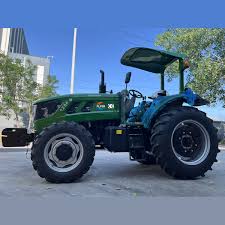
They also used FSA operating loans to buy seeds, organic fertilizers, and a small tractor. Within three years, their farm was profitable and expanding, providing fresh produce to local markets. The low-interest rates and flexible repayment terms were critical to their initial success.
Cost-Share Programs and Incentives
Some government programs offer cost-sharing for adopting certain farming practices. These might include programs that help pay for water conservation equipment, cover crops, or organic certification. These incentives encourage farmers to use practices that are good for the environment and the long-term health of the land.
For new vegetable farmers, this can make adopting sustainable methods much more affordable.
These programs often work by reimbursing a percentage of the cost after you’ve made the purchase or implemented the practice. This means you still need to have the initial funds, but you get a significant portion of it back. It’s a smart way to invest in your farm’s future.
Accessing Resources and Education
Beyond direct financial help, governments provide valuable resources and educational opportunities for new farmers. These are crucial for building the knowledge and skills needed to run a successful vegetable farm. Many programs focus on practical training and ongoing support.
Training Programs and Workshops
Government agricultural departments and agencies often fund or host workshops and training programs. These sessions cover a wide range of topics, from soil health and pest management to crop planning and marketing strategies. For beginners, these programs offer a structured way to learn from experts and experienced farmers.
They can also be a great place to network with other farmers and potential mentors.
Many of these training programs are free or offered at a very low cost. They are designed to be accessible to everyone, regardless of their current farming experience or financial situation. This educational support is a cornerstone of government efforts to strengthen the agricultural sector.
Scenario: Learning About Organic Pest Control
- A new vegetable farmer is struggling with aphid infestations on their kale crop.
- They search for local agricultural extension services, often supported by government funding.
- They find a free workshop on Integrated Pest Management (IPM) for vegetable crops.
- At the workshop, they learn about beneficial insects, natural sprays, and crop rotation techniques to manage aphids without harsh chemicals.
- The farmer implements these learned strategies, significantly reducing aphid damage and improving their kale harvest.
Mentorship and Advisory Services
Many government initiatives connect new farmers with experienced mentors. These mentors can provide one-on-one guidance, share their insights, and help new farmers avoid common pitfalls. Advisory services offer professional advice on business planning, financial management, and technical farming questions.
This personal support is invaluable for building confidence and a successful farm operation.
These services are often part of larger programs aimed at farmer success. They recognize that hands-on advice from someone who has been there before can be more impactful than just reading a manual. Building these relationships can lead to long-term partnerships and support.
Example: The National Young Farmers Coalition
While not solely a government entity, organizations like the National Young Farmers Coalition often partner with government agencies to deliver services. They provide resources, advocacy, and networking opportunities for young and beginning farmers. Many of their programs include mentorship components, connecting new growers with established farmers who can offer guidance on everything from crop selection to navigating USDA programs.
A survey of their members showed that over 70% found mentorship to be a vital part of their farm’s development.
Marketing and Business Planning Support
Farming is not just about growing crops; it’s also about running a business. Government support extends to helping new farmers market their produce and develop sound business plans. This can be a game-changer for profitability and sustainability.
Business Planning Assistance
Many agricultural agencies offer free or low-cost business planning assistance. This involves helping new farmers create a comprehensive plan that outlines their goals, target market, financial projections, and operational strategies. A well-written business plan is essential for securing loans, attracting investors, and guiding the farm’s growth.
It helps you think through all aspects of your operation.
These services can include workshops, one-on-one counseling, and access to business plan templates. They are designed to be practical and easy to use, even for those with no prior business experience. A solid business plan can prevent costly mistakes down the road.
Marketing and Sales Channels
Government programs can also assist new farmers in finding markets for their vegetables. This might involve support for participating in farmers’ markets, connecting with local restaurants and retailers, or developing direct-to-consumer sales strategies like Community Supported Agriculture (CSA) programs. Understanding how to sell your produce effectively is as important as growing it well.
Some initiatives focus on promoting local food systems, which directly benefits new and small-scale farmers. They can help build connections between farmers and consumers, creating demand for fresh, locally grown vegetables. This support can give new farmers a competitive edge in the marketplace.
Statistic: According to recent USDA data, farms that utilize direct-to-consumer sales channels, often supported by local food initiatives, report higher overall farm profitability compared to those selling solely through wholesale markets.
| Type of Support | Purpose | How It Helps New Farmers |
|---|---|---|
| Grants | Financial aid that does not need repayment. | Reduces upfront costs for equipment, seeds, and land. |
| Low-Interest Loans | Borrowing money with favorable repayment terms. | Makes purchasing land and machinery more affordable. |
| Training Programs | Educational workshops and courses. | Builds essential farming knowledge and skills. |
| Mentorship | Guidance from experienced farmers. | Provides practical advice and support to avoid mistakes. |
| Business Planning | Assistance in creating a farm business strategy. | Helps secure funding and guide farm growth. |
| Marketing Support | Help in finding buyers for produce. | Increases sales opportunities and profitability. |
Common Myths Debunked
Myth 1: Government support is too complicated to access.
Reality: While application processes can seem involved, government agencies are actively working to simplify access. Many offer dedicated help desks, online resources, and local offices staffed by people ready to guide you through the steps. The key is to find the right program and ask for assistance.
Myth 2: Only large farms receive government help.
Reality: Many government programs specifically target beginning, small, and mid-sized farms. There are often set-asides or special initiatives designed to support new farmers who are building their operations from the ground up. The focus is on fostering new agricultural enterprise.
Myth 3: Government support is only for established farmers.
Reality: This is far from the truth. A significant amount of government funding and resources is dedicated to helping new farmers get started and become established. Programs like beginning farmer loans and grants are proof of this commitment to nurturing the next generation of agricultural producers.
Myth 4: I’ll have to fill out endless paperwork for years.
Reality: While some paperwork is always necessary, many programs are designed to be manageable. The initial applications might require detailed information, but ongoing reporting is often streamlined. Plus, the support you receive in return can save you much more time and effort in the long run.
Frequently Asked Questions
Question: Where can I find information on government programs for new vegetable farmers?
Answer: You can start by visiting the website of your country’s agricultural department (like the USDA in the United States). Also, look for local agricultural extension offices and state agriculture departments. They often have detailed information and staff who can help you.
Question: What is the difference between a grant and a loan for farming?
Answer: A grant is money you receive that you do not have to pay back. A loan is money you borrow and must repay, usually with interest, over a period of time.
Question: Do I need to have a lot of experience to get government help?
Answer: Not necessarily. Many programs are specifically for beginning farmers who may have limited experience. They often provide training and mentorship to help you gain the necessary skills.
Question: Can government support help me sell my vegetables?
Answer: Yes. Many programs assist with marketing, including connecting you with farmers’ markets, local food buyers, and developing sales strategies like CSAs.
Question: How can I find out about local government support specific to my area?
Answer: Contact your local county extension office or state agricultural department. They are often the best resource for understanding and accessing programs available in your specific region.
Conclusion
Government support for new vegetable farming is a practical resource. It provides grants, loans, and education to help you start and grow. Agencies offer help with business plans and finding customers.
This assistance makes starting a farm more achievable. Explore these options to get your vegetable farm thriving.