Growing lots of yummy vegetables can feel tricky sometimes, especially when you’re just starting out. You might wonder about the best steps to take and how to get the most from your garden. Don’t worry, it’s a common challenge!
We’ll walk through simple, step-by-step ideas for Ways to increase vegetable production. Get ready to learn how to make your garden super productive!
Key Takeaways
- You will learn about choosing the right plants for your space.
- Discover tips for giving your plants the best soil.
- Understand how much water and sun your veggies need.
- Find out about growing plants closer together.
- Learn about keeping pests away naturally.
- Explore ways to get more than one harvest from your garden.
Choosing the Right Plants for Your Space
Ways to Increase Vegetable Production With Smart Planting
Picking the right vegetables is a super important first step for growing more food. Not all plants are the same. Some need lots of space, while others are happy being cozy. Thinking about how much sun your garden gets and how much room you have will help you choose the best veggies. This means you won’t waste time and effort on plants that just won’t grow well in your spot. It’s like picking the right shoes for the right occasion; it makes everything easier and more successful. Choosing vegetables that are known to be good producers in your local climate is also key. Think about what your family likes to eat, too, so you don’t end up with too much of something nobody enjoys.
Match Plants to Your Sunlight
Sunlight is like food for plants. Most vegetables need at least 6 to 8 hours of direct sunlight each day to grow well and produce a lot. If your garden gets full sun all day, you can grow things like tomatoes, peppers, cucumbers, and corn. These plants soak up the sun and turn it into delicious veggies.
For areas that get less sun, maybe only 4 to 6 hours, you have other great options. Leafy greens like lettuce, spinach, kale, and chard do really well in partial shade. Root vegetables such as carrots, radishes, and beets can also produce well with a bit less sun.
Don’t forget about shade-loving herbs like mint and parsley. Even if you have a spot that only gets a few hours of direct sun or dappled light, you can still grow tasty things. Knowing your garden’s light patterns helps you make smart choices.
Consider Your Growing Space
Your garden’s size matters a lot when deciding what to plant. If you have a small yard or even just a balcony, you’ll want to pick plants that don’t take up too much room. Many smaller varieties of popular vegetables are now available. For example, you can find bush beans instead of pole beans that need trellising, or dwarf tomato varieties that stay compact.
Vertical gardening is another excellent way to maximize small spaces. This involves growing plants upwards using trellises, cages, or hanging baskets. Cucumbers, peas, and some types of squash can be trained to grow vertically, saving you precious ground space.
If you have a larger garden, you have more freedom. You can plant larger crops like pumpkins or sprawling melons. However, even in a big garden, planning your layout efficiently is important for getting the most harvest. Grouping plants with similar water and sun needs can also make care easier.
Pick Productive Vegetable Varieties
Some types of vegetables are naturally more productive than others. For example, cherry tomatoes often produce more fruit over a longer period than larger slicing tomato varieties. Zucchini plants are famous for their prolific fruiting, sometimes yielding more than a family can eat from just one or two plants!
When you’re at the garden center or looking at seed catalogs, read the descriptions. They often tell you about the plant’s yield and how long it will produce. Look for words like “prolific,” “heavy producer,” or “long harvest season.”
Also, consider disease-resistant varieties. Plants that are less prone to diseases will stay healthier and produce more throughout the season. This is especially important if you’ve had problems with certain diseases in your garden before.
Soil Preparation for Bountiful Harvests
Good soil is the foundation of a productive garden. Think of it like the pantry for your plants; it holds all the food and water they need. If your soil is poor, your plants will struggle, no matter how much sun or water they get. Making your soil rich and healthy is one of the best ways to boost your vegetable production.
The Importance of Healthy Soil
Healthy soil is alive. It’s packed with tiny organisms, like beneficial bacteria and fungi, that help plants get the nutrients they need. It also has good structure, meaning it’s not too hard or too sandy. This allows roots to grow easily and lets water and air move through.
Poor soil can be compacted, making it hard for roots to spread. It might also be lacking in essential nutrients that vegetables need to grow big and strong. This can lead to stunted plants and small harvests.
Good soil provides plants with the resources to produce more fruits, vegetables, and leaves. It also helps retain moisture, so you might need to water less often. This saves you time and effort.
Adding Organic Matter
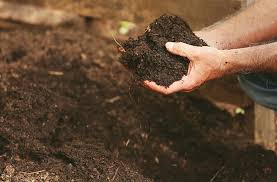
The best way to improve your soil is by adding organic matter. This is anything that was once alive, like compost, well-rotted manure, or leaf mold. Organic matter is like a superfood for your soil.
When you mix organic matter into your soil, it does several great things. It helps sandy soil hold onto water and nutrients. It also loosens up clay soil, improving drainage and aeration. Over time, it feeds the beneficial microbes living in the soil.
You can buy compost, or you can make your own by composting kitchen scraps and yard waste. Adding a few inches of compost to your garden beds each year before planting is a fantastic way to keep your soil healthy and boost your harvest.
Soil Testing and Amendments
Sometimes, your soil might be lacking specific nutrients. You can get your soil tested by a local university extension office or a garden center. This test will tell you what nutrients your soil has and what it might be missing.
Based on the test results, you can add specific amendments to your soil. For example, if your soil is low in nitrogen, you might add a nitrogen-rich fertilizer or more compost. If the pH is off (how acidic or alkaline the soil is), you can add lime to make it less acidic or sulfur to make it more alkaline.
Most vegetables prefer slightly acidic to neutral soil, with a pH between 6.0 and 7.0. Making sure your soil has the right balance of nutrients and pH is a key step in increasing vegetable production.
Watering and Sunlight Strategies
Giving your vegetables the right amount of water and sunlight is fundamental to good growth. It’s not just about giving them anything; it’s about giving them what they need, when they need it. Too much or too little of either can cause problems and reduce your harvest.
Understanding Plant Needs
Different vegetables have different needs for water and sunlight. For instance, leafy greens like lettuce and spinach prefer consistent moisture and can tolerate some shade. Fruiting plants like tomatoes and peppers, however, need plenty of sunlight and consistent watering, especially when they are setting fruit.
Root vegetables, such as carrots and potatoes, need well-drained soil that stays evenly moist. Overwatering can lead to rot, while underwatering can make them tough. Learning the specific needs of each vegetable you grow is essential for maximizing production.
Pay attention to the weather. During hot, dry spells, your plants will need more water. If you’ve had a lot of rain, you might need to water less. Observing your plants is also important; wilting leaves often indicate thirst, while yellowing leaves could signal overwatering or nutrient issues.
Effective Watering Techniques
Watering at the base of the plant is usually best. This helps to get water directly to the roots and avoids wetting the leaves, which can lead to fungal diseases. Soaker hoses or drip irrigation systems are very efficient ways to water your garden. They deliver water slowly and directly to the soil, minimizing waste through evaporation.
Watering in the morning is generally recommended. This gives plants time to absorb the water before the heat of the day, and it allows any moisture on the leaves to dry off before nightfall, reducing disease risk. Watering deeply and less frequently is often better than shallow, frequent watering. This encourages roots to grow deeper into the soil, making plants more resilient.
Maximizing Sunlight Exposure
Ensure your plants have access to the sunlight they need. If you have taller plants, like corn or staked tomatoes, plant them on the north side of your garden so they don’t shade shorter plants. Consider the path of the sun throughout the day and year when planning your garden layout.
Pruning can also help. For vining plants like cucumbers or certain types of squash, training them to grow up trellises allows more sunlight to reach the plant itself and its fruits. Removing any dead or yellowing leaves also helps improve air circulation and light penetration to the rest of the plant.
If you have limited sunlight, focus on growing shade-tolerant vegetables and herbs. You can also use reflective materials, like white mulch or painted fences, to bounce more light onto your plants, especially in borderline sunny spots.
Companion Planting and Space Efficiency
Making the most of every inch of your garden is key to increasing vegetable production. Companion planting is a smart technique that uses the natural relationships between plants to help each other grow better. It’s about creating a helpful community in your garden beds.
What is Companion Planting
Companion planting involves growing different types of plants next to each other. Some plants can deter pests, attract beneficial insects, improve soil health, or even enhance the flavor of their neighbors. It’s a natural form of gardening that uses ecological principles.
For example, planting basil near tomatoes is believed to improve the flavor of the tomatoes and repel some pests. Marigolds are famous for deterring nematodes, tiny worms that can damage plant roots. Planting a variety of plants together creates a more resilient ecosystem within your garden.
This method can lead to healthier plants, fewer pest problems, and ultimately, a larger harvest. It’s a simple yet powerful way to work with nature rather than against it.
Maximizing Garden Space
Beyond companion planting, there are other ways to grow more in less space. Intercropping is a technique where you plant fast-growing crops between rows of slower-growing ones. For example, you might plant radishes between rows of carrots. By the time the carrots are starting to fill in, the radishes will have already been harvested.
Succession planting is another excellent method. This involves planting a new crop as soon as the previous one has been harvested. For example, you might plant a spring crop of spinach, harvest it, and then immediately plant a summer crop like bush beans in the same spot. This ensures you are continuously producing food from your garden beds.
Vertical gardening, as mentioned before, is also a major space saver. Using trellises, cages, and stakes allows you to grow crops like peas, beans, cucumbers, and even some squash and melons upwards instead of outwards. This dramatically increases the yield you can get from a small area.
Beneficial Insect Attraction
Some plants are excellent at attracting beneficial insects that help your garden thrive. For instance, flowering plants like dill, fennel, and cilantro attract ladybugs and lacewings, which are natural predators of aphids. Planting these herbs among your vegetables can help keep pest populations in check.
Companion planting can also involve decoy plants. These are plants that pests are attracted to, drawing them away from your main vegetable crops. This diverts the pest pressure and protects your edible plants.
Creating a diverse planting scheme, with a mix of vegetables, herbs, and flowers, mimics natural environments. This biodiversity supports a healthy garden ecosystem where pest problems are often naturally managed.
Natural Pest and Disease Management
Dealing with pests and diseases is a common challenge for gardeners. However, you can increase your vegetable production by focusing on natural ways to keep these problems at bay. This approach protects your plants and creates a healthier garden environment.
Identifying Common Pests and Diseases
Common garden pests include aphids, slugs, snails, cabbage worms, and squash bugs. Diseases can range from powdery mildew on squash leaves to blight on tomatoes. Knowing what to look for is the first step in dealing with them.
Regularly inspecting your plants is important. Look under leaves, on stems, and around roots for any signs of trouble. Early detection often makes management much easier. A small aphid infestation can quickly become a large one if not addressed.
Organic Pest Control Methods
There are many effective organic ways to control pests. Handpicking larger pests like caterpillars and slugs and dropping them into a bucket of soapy water is a direct and effective method. For aphids, a strong spray of water from your hose can dislodge them.
You can also use natural sprays. A mixture of water and a few drops of mild dish soap can be sprayed on plants to kill soft-bodied insects like aphids and spider mites. Neem oil is another excellent organic pesticide derived from the neem tree; it disrupts insect growth and feeding.
Introducing beneficial insects is another great strategy. Ladybugs eat aphids, and praying mantises prey on a wide variety of insects. You can attract these helpful creatures by planting flowers they love, like yarrow and marigolds.
Promoting Plant Health to Prevent Disease
Healthy plants are less susceptible to diseases. This comes back to good soil, proper watering, and adequate sunlight. Plants that are stressed by poor conditions are often the first to get sick.
Ensuring good air circulation around your plants can prevent many fungal diseases. Don’t plant too closely. Pruning out any diseased leaves or stems immediately can stop the spread. Cleaning up garden debris at the end of the season is also vital, as many diseases overwinter in plant matter.
Crop rotation is a powerful tool against soil-borne diseases. This means not planting the same type of vegetable in the same spot year after year. By changing where you plant certain crops, you can break disease cycles in the soil.
Extending the Growing Season
Getting more from your garden often means making it productive for longer periods. There are several ways to extend your growing season, allowing you to harvest vegetables earlier in the spring and later into the fall. This means more fresh food for your table.
Season Extension Techniques
One of the simplest ways to extend the season is by using row covers. These are lightweight fabrics that you place over your plants. They offer protection from light frosts and can help warm the soil a few degrees. This allows you to plant cool-season crops earlier in the spring and keep them going a bit longer in the fall.
Cold frames are also very useful. These are essentially small, unheated greenhouses made from a box with a transparent lid. They create a warmer microclimate, protecting plants from harsh weather. You can start seeds in them early in spring or grow hardier greens well into winter.
Greenhouses offer the most significant season extension. While they require more investment, they allow you to grow a wide variety of crops year-round, regardless of outside temperatures. Even a small hoop house, a type of greenhouse made with bent pipes and plastic sheeting, can significantly extend your growing period.
Early Spring Planting
Cool-season vegetables are perfect for early spring planting. These include crops like lettuce, spinach, kale, peas, radishes, and broccoli. Many of these can tolerate light frosts once they are established.
By starting seeds indoors a few weeks before your last expected frost date and then transplanting them into the garden, you can give them a head start. Using row covers or cold frames can protect these young plants from late frosts and encourage earlier growth.
For direct sowing, choose seeds that are known to germinate in cooler soil temperatures. This allows you to get them into the ground as soon as the soil is workable.
Late Fall Harvesting
As the weather cools in the fall, many vegetables can continue to grow or even improve in flavor. Crops like kale, Brussels sprouts, and leeks are very cold-hardy and can withstand significant frosts. Carrots and parsnips actually develop a sweeter taste after a frost.
You can protect fall crops with mulch, which helps insulate the soil and keep roots warmer. Floating row covers can also be used in the fall to provide protection from colder temperatures and light freezes.
For even later harvests, you can use a cold frame or a hoop house. These structures can protect more tender crops and allow you to harvest greens and root vegetables well into the colder months, sometimes even through winter.
Common Myths Debunked
Myth 1: You Need a Huge Garden to Grow a Lot of Vegetables
Reality: You don’t need a massive garden to produce a significant amount of food. With smart planning, vertical gardening techniques, container gardening, and choosing high-yield crops, even a small patio or balcony can yield a surprising harvest. Focusing on space-efficient methods and succession planting can maximize output from any size space.
Myth 2: Organic Pest Control Isn’t Effective
Reality: Natural pest control methods are very effective when used consistently and correctly. Companion planting, hand-picking pests, using insecticidal soaps, neem oil, and introducing beneficial insects can manage most common garden pests without harmful chemicals. Healthy plants in healthy soil are also less attractive to pests.
Myth 3: All Vegetables Need Full Sun All Day
Reality: While many vegetables, especially fruiting ones like tomatoes and peppers, thrive in full sun, many others can produce well in partial shade. Leafy greens, root vegetables, and some herbs can grow happily with 4-6 hours of sunlight per day. Understanding your garden’s light conditions allows you to choose the right plants for every spot.
Myth 4: You Have to Buy Expensive Tools to Garden Successfully
Reality: Basic gardening can be done with very few tools. A sturdy shovel, a trowel, a watering can or hose, and some pruning shears are often enough. Many gardeners find that their hands are their best tools.
Investing in quality essentials is wise, but expensive gadgets aren’t necessary for a productive vegetable garden.
Frequently Asked Questions
Question: What are the easiest vegetables for beginners to grow?
Answer: Some of the easiest vegetables for beginners include lettuce, radishes, bush beans, zucchini, and cherry tomatoes. These tend to be forgiving, grow relatively quickly, and are less prone to major pest or disease issues.
Question: How often should I water my vegetable plants?
Answer: Watering frequency depends on many factors like weather, soil type, and plant type. A good rule of thumb is to water when the top inch of soil feels dry. Water deeply to encourage strong root growth.
Morning watering is usually best.
Question: Can I grow vegetables in containers?
Answer: Absolutely! Container gardening is a fantastic way to grow vegetables, especially if you have limited space. Many vegetables, including tomatoes, peppers, beans, lettuce, and herbs, do very well in pots and planters.
Question: What is compost and why is it important for my garden?
Answer: Compost is decomposed organic material, like kitchen scraps and yard waste. It’s like a superfood for your soil. Adding compost improves soil structure, helps retain moisture, and provides essential nutrients, leading to healthier, more productive plants.
Question: How do I deal with slugs eating my lettuce?
Answer: Slugs are common pests. You can try hand-picking them in the early morning or evening, setting out shallow dishes of beer (they are attracted to it and drown), or using organic slug baits. Keeping the garden clean also helps reduce their hiding spots.
Summary
Boosting your vegetable harvests involves smart plant choices, healthy soil, and the right watering. By understanding your garden’s conditions and using efficient techniques like companion planting and season extension, you can grow more. Focus on natural pest control and choose productive varieties.
These simple steps will lead to a more abundant and rewarding garden.