Thinking about Agriculture fairs in Bangladesh can feel a bit tricky at first, right? Lots of people find it hard to know where to start. But don’t worry!
We’re here to make it super simple. We’ll walk you through everything step-by-step. Get ready to discover what makes these fairs so interesting and important.
Key Takeaways
- You will learn why agriculture fairs are important in Bangladesh.
- We will explain what you can expect to see and do at these events.
- Discover tips for making the most out of your visit to an agriculture fair.
- Understand how these fairs help farmers and the economy.
- Learn about the role of technology and innovation at the fairs.
Understanding Agriculture Fairs in Bangladesh
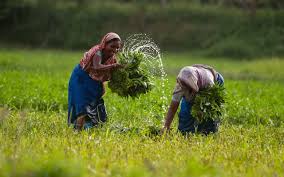
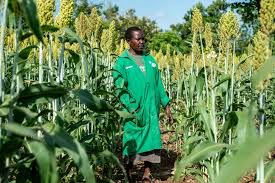
Agriculture fairs in Bangladesh are vibrant events that showcase the country’s rich agricultural sector. These fairs are not just displays of produce; they are crucial platforms for farmers, researchers, and consumers to connect. They highlight new farming techniques, innovative technologies, and the diverse range of crops and livestock Bangladesh cultivates.
For newcomers, understanding the purpose and flow of these fairs can seem overwhelming. It’s like walking into a bustling marketplace with so much to see and learn. This guide aims to break down the experience, making it accessible and enjoyable.
These events serve multiple purposes. They act as marketplaces where farmers can sell their produce directly, often at better prices. They are also educational hubs, offering workshops and demonstrations on modern farming practices.
This helps improve yields and crop quality. Furthermore, agriculture fairs foster a sense of community among those involved in the sector. They celebrate the hard work and dedication of farmers who are the backbone of Bangladesh’s economy.
The Importance of Agriculture in Bangladesh
Agriculture is the lifeblood of Bangladesh. It employs a significant portion of the population and contributes greatly to the nation’s Gross Domestic Product (GDP). The sector provides food security and raw materials for industries.
It also plays a vital role in poverty reduction and rural development. Given its importance, events that support and promote agriculture are highly valued.
The country’s geography, with fertile river basins, is ideal for farming. Rice is a staple crop, but Bangladesh also produces jute, tea, vegetables, fruits, and various spices. The livestock and fisheries sectors are also substantial.
Therefore, showcasing advancements and supporting farmers through fairs is a logical and necessary step for national progress.
Purpose of Agriculture Fairs
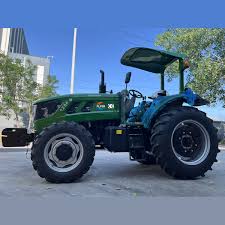
The primary purpose of an agriculture fair is to promote the agricultural sector. This includes introducing new crop varieties, modern farming equipment, and sustainable agricultural practices. They provide a space for farmers to learn from experts and from each other.
Businesses also use these fairs to display their products and services, ranging from fertilizers and seeds to irrigation systems and pest control solutions.
These events also serve to inform the public about where their food comes from and the challenges faced by farmers. They build awareness about the importance of supporting local agriculture. For aspiring farmers, fairs offer inspiration and practical knowledge.
They can see firsthand the potential of modern agriculture and the opportunities available.
What to Expect at Agriculture Fairs in Bangladesh
Visiting an agriculture fair in Bangladesh is an immersive experience. You will encounter a wide array of exhibits showcasing the diversity of the country’s agricultural output. From colorful displays of fresh fruits and vegetables to live demonstrations of farming techniques, there is always something to capture your attention.
The air is often filled with the scent of fresh produce and the lively chatter of vendors and visitors.
These fairs are more than just exhibitions; they are hubs of learning and exchange. Farmers can interact with agricultural scientists, learn about the latest government policies, and discover new markets for their products. For the general public, it’s an excellent opportunity to appreciate the hard work involved in food production and to purchase fresh, locally sourced goods.
The atmosphere is usually festive, with music and cultural programs often part of the event.
Exhibits and Displays
You will find various types of exhibits at these fairs. These include displays of high-yield crop varieties, advanced irrigation systems, and organic fertilizers. Local farmers often showcase their best produce, competing for awards and recognition.
You might see stalls dedicated to medicinal plants, showcasing their traditional uses and modern cultivation methods. The fisheries and livestock sections are also popular, featuring improved breeds and animal husbandry techniques.
Technology plays an increasingly important role. Expect to see exhibits on precision agriculture, drones for crop monitoring, and solar-powered farming equipment. These innovations aim to increase efficiency and reduce environmental impact.
The Bangladesh Agricultural Research Institute (BARI) and other research organizations frequently have dedicated stalls to share their findings and new technologies.
Interactive Learning and Demonstrations
Many fairs offer hands-on learning opportunities. You can attend workshops on topics like composting, natural pest control, or hydroponic farming. Live demonstrations might include how to operate new farm machinery or techniques for grafting fruit trees.
These practical sessions are invaluable for farmers looking to improve their skills and adopt new methods.
Experts are usually available to answer questions and provide personalized advice. This direct interaction is a key benefit for attendees. Children often have dedicated areas with fun, educational activities related to farming and nature.
These interactive elements make the fairs engaging for visitors of all ages, fostering a deeper appreciation for agriculture.
Sourcing Local Products
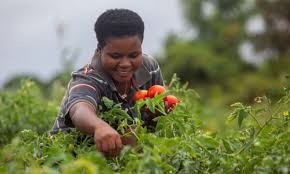
One of the most enjoyable aspects of an agriculture fair is the chance to buy fresh, local products. You can find a wide variety of seasonal fruits, vegetables, spices, and grains directly from the farmers or local cooperatives. This direct sourcing often means better quality and freshness compared to what you might find in regular markets.
It also supports the local economy and promotes sustainable farming practices.
Beyond fresh produce, you might also find processed agricultural goods like honey, jams, pickles, and traditional snacks. Many stalls offer samples, allowing you to taste before you buy. These purchases contribute to the livelihoods of farmers and their communities.
It’s a great way to experience the authentic flavors of Bangladesh.
Tips for Visiting Agriculture Fairs
Attending an agriculture fair can be a rewarding experience, but a little preparation goes a long way. Knowing what to expect and how to make the most of your visit will ensure you have a pleasant and informative time. Consider the season, your interests, and practicalities like transportation and what to bring.
These events are often held in open grounds, so dressing comfortably and appropriately for the weather is important. Comfortable shoes are a must, as you’ll likely be doing a lot of walking. Bringing a reusable bag or two is also a good idea if you plan to purchase fresh produce or other items.
Planning Your Visit
Before you go, check the dates and location of the fair. Major fairs are often advertised in local newspapers and on agricultural websites. Knowing the schedule of events, such as workshops or competitions, can help you plan your day.
If you are a farmer looking for specific information, research which exhibitors or sessions might be most relevant to your needs.
Consider the time of day you plan to visit. Mornings are often less crowded and cooler, offering a more relaxed experience. If you are interested in specific produce, visiting earlier in the day might give you the best selection.
For those interested in observing the judging of livestock or produce, check the timing for these events.
What to Bring
Aside from comfortable clothing and shoes, bringing a notebook and pen can be useful for jotting down notes from workshops or information about new products. A camera can help you capture memorable moments or interesting displays. If you plan to make purchases, it’s wise to bring cash, as not all vendors may accept digital payments.
For farmers or agricultural enthusiasts, bringing samples of soil from their farm or pictures of specific crop issues might be helpful for getting expert advice. Staying hydrated is also important, especially during warmer months, so consider bringing a water bottle. Sunscreen and a hat are advisable for protection from the sun.
Engaging with Exhibitors
Don’t hesitate to talk to the exhibitors and farmers. They are usually eager to share their knowledge and experiences. Ask questions about their products, farming methods, or the challenges they face.
This interaction is a core part of the learning process and can provide valuable insights that you won’t find in books or online.
If you are a farmer, this is an excellent opportunity to learn about new technologies and techniques that could improve your own operations. For consumers, it’s a chance to connect with the people who grow your food and understand the effort involved. Building these connections can foster a greater appreciation for agriculture.
The Role of Technology and Innovation
Modern agriculture fairs in Bangladesh are increasingly highlighting technology and innovation. This is crucial for improving productivity, sustainability, and resilience in the face of climate change and growing demand for food. You’ll see a shift towards smart farming solutions that aim to optimize resource use and minimize waste.
These advancements are not just for large-scale operations; many are being adapted for smallholder farmers, who form the majority in Bangladesh. The fairs act as a bridge, introducing these technologies and demonstrating their practical applications in the local context. This exposure is vital for modernizing the agricultural sector.
Smart Farming Solutions
Smart farming, or precision agriculture, uses digital technologies to manage farms more efficiently. This includes using sensors to monitor soil conditions, weather patterns, and crop health. Data collected from these sensors allows farmers to make informed decisions about irrigation, fertilization, and pest management.
This leads to higher yields with less environmental impact.
Drones are another exciting technology being showcased. They can be used for aerial mapping of fields, monitoring crop growth, and even targeted spraying of pesticides or fertilizers. This reduces the need for manual labor and ensures precise application, minimizing chemical use.
The fairs provide a platform to see these technologies in action.
Sustainable Agriculture Practices
Sustainability is a key focus for agriculture fairs. This includes promoting organic farming methods, which avoid synthetic pesticides and fertilizers, thus protecting the environment and producing healthier food. Water conservation techniques, such as drip irrigation and rainwater harvesting, are also prominently featured.
These practices are essential for Bangladesh, a country vulnerable to water scarcity and climate-related challenges.
Agroforestry, the practice of integrating trees and shrubs into crop and animal farming systems, is another sustainable approach often demonstrated. It helps improve soil health, biodiversity, and provides additional income streams. Fairs showcase how these methods can be economically viable for farmers.
Impact on Farmers and Economy
The introduction of new technologies and sustainable practices through these fairs has a significant impact. Farmers can increase their yields, reduce production costs, and improve the quality of their produce. This leads to higher incomes and better livelihoods for farming communities.
For the national economy, a more productive and efficient agricultural sector translates into increased food security, export potential, and overall economic growth.
Statistics show that the adoption of improved seeds and fertilizers, often promoted at fairs, has significantly boosted rice production in Bangladesh over the past decades. Similarly, advancements in fisheries and livestock management contribute substantially to the economy and provide employment opportunities. These fairs are instrumental in driving this progress.
A recent report from the Ministry of Agriculture indicated that farmer participation in agricultural fairs led to a 15% increase in the adoption of modern irrigation techniques in pilot areas. This highlights the direct impact of these events on agricultural modernization.
Common Myths Debunked
Myth 1: Agriculture fairs are only for experienced farmers.
Reality: Agriculture fairs are for everyone interested in food and farming. While they offer advanced information for seasoned farmers, they also provide fundamental knowledge for beginners. Newcomers can learn about basic gardening, different types of produce, and the importance of agriculture in a simple, engaging way.
The interactive sessions and accessible displays make them welcoming to all levels of experience.
Myth 2: These fairs are just about selling produce.
Reality: While sales are a component, the primary goal is broader. Fairs are educational platforms, innovation showcases, and networking opportunities. They aim to share knowledge, introduce new technologies, promote sustainable practices, and connect stakeholders across the agricultural value chain.
The focus extends far beyond simple transactions.
Myth 3: Only traditional farming methods are shown.
Reality: Modern agriculture fairs heavily feature technology and innovation. You will see exhibits on smart farming, digital tools, advanced machinery, and biotech solutions. The goal is to bridge traditional wisdom with modern advancements for greater efficiency and sustainability.
These fairs highlight the future of farming.
Myth 4: Attending agriculture fairs is too expensive.
Reality: Many agriculture fairs have affordable or even free entry, especially those organized by government bodies or local communities. The cost of attending is often minimal compared to the potential knowledge and opportunities gained. Even for purchases, buying directly from farmers can sometimes be more cost-effective for high-quality produce.
Frequently Asked Questions
Question: What is the main purpose of agriculture fairs in Bangladesh
Answer: The main purpose is to promote the agricultural sector by showcasing new technologies, improved farming methods, and high-quality produce, while also serving as a platform for farmers to learn, network, and sell their products.
Question: Can beginners learn a lot at these fairs
Answer: Yes, beginners can learn a lot. Fairs offer workshops, demonstrations, and expert advice that make learning about farming accessible and easy to grasp.
Question: Are there opportunities to buy fresh produce
Answer: Absolutely. Buying fresh, local fruits, vegetables, and other agricultural products directly from farmers is a key attraction of these fairs.
Question: What kind of technology can I expect to see
Answer: You can expect to see smart farming solutions, drones, solar-powered equipment, advanced irrigation systems, and digital tools for crop management.
Question: How do these fairs benefit the economy
Answer: They boost the economy by increasing farmer income, improving food security, promoting agricultural exports, and fostering the adoption of efficient and sustainable practices.
Conclusion
Agriculture fairs in Bangladesh are essential events that benefit everyone involved in farming and food. They offer a direct way to learn about new farming methods, see innovative technologies, and support local producers. Attending these fairs is a practical step for farmers to improve their work and for consumers to connect with their food source.
Explore these vibrant gatherings to see the strength and future of agriculture in Bangladesh.